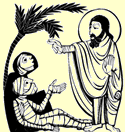
As devastating as is the loss of a child anywhere at any age, when a widow lost her only son in biblical times, it was not only an emotional disaster but a financial one also. There was no Social Security; a mother depended for her very life on whatever her son could earn and share with her, or she would be reduced to begging from strangers—or worse.
Today, consider the desperate plight of the migrants fleeing to Europe, no longer able to withstand enemies with car bombs, assault weapons, drone strikes and genocidal intentions. Parents risk their own lives, even those of their children, to find peace somewhere—anywhere—in the often vain hope that their children may have a better life.
Find a setting of Psalm 30 that expresses such desolate desperation. Too often our music is merely pleasant or inoffensive, unlikely to stir up emotion or empathy with the people and situations described in the day’s scriptures. In our very wordy liturgies, music is often the only means of reaching the hearts and mind of those who gather to worship and pray.
Thomas A. Dorsey, son of a Baptist minister and a well-known musician and composer of his era, wrote “Precious Lord, Take My Hand” when his wife Nettie died in childbirth; the child died shortly afterwards. Dorsey sang the song for his friend Theodore Frye, and Frye’s choir at Ebenezer Baptist Church sang it the following Sunday. The words speak of Dorsey’s desperate sorrow directly and poignantly without becoming maudlin. Even when it’s not sung in authentic Gospel style, it speaks to the heart of anyone of faith who has known loss.
MD Ridge
 

Back to Music
|